



This week’s pick came from returning Board of Directors member Darren Leach, who tossed us his first-ever selection from the noughties: a Swedish post-punk revival record he found on a scrappy MP3 blog back in 2009 or 2010, then tracked down on vinyl years later. It has never toured outside Sweden, it barely got a US release, and somehow it still sounds better than most of the bands that got famous doing the same thing. Want to bring YOUR favorite lost album to the table? Suggest an album for a future episode or community poll.
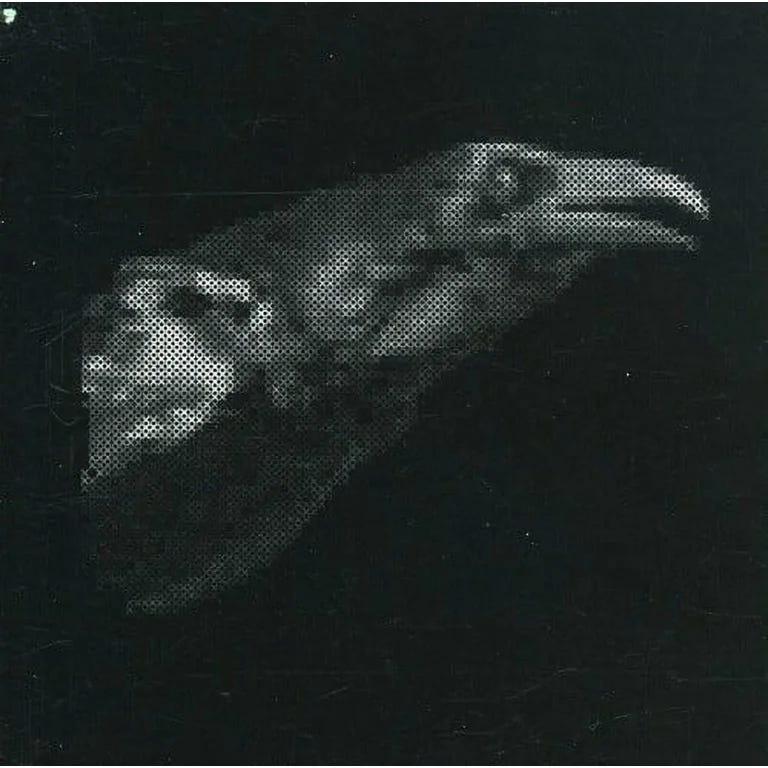
A Second Wave of Post-Punk
Interpol dropped Turn on the Bright Lights in 2002 and lit the fuse for a whole genre of bands mining the same Joy Division and Gang of Four vocabulary. Three years later, in 2005, Bloc Party, Editors, Maxïmo Park and The Bravery all released debuts within the same twelve months, a compressed second wave rather than an early-decade wave. Cut City arrived in 2007, right as Editors and Interpol themselves were already shifting sound, making Exit Decades a late entry into a scene that was already moving on.
The record lives in the friction between locked-in, almost mechanical downstrummed rhythm sections and loose, expressive, clearly human performances layered over top. That contrast, tight and stilted on one hand, propulsive and dynamic on the other, is what keeps nine short songs from blurring together. Vocalist Max Hansson’s baritone floats between rhythmic near-speaking and a croon that occasionally opens up toward melodic alt-rock, drawing comparisons to Suede and Placebo as much as the obvious Joy Division and The Sound touchstones.
Unlike a lot of the foundational post-punk records this album is indebted to, which were often tinny and budget-constrained, Exit Decades benefits from modern recording clarity. Every instrument sits in its own space; the bass acts as a genuine melodic anchor rather than bottom-end filler, and the guitar is deployed sparingly for maximum impact rather than played wall-to-wall. Tracks like “Like Ashes Like Millions,” “Such Verve,” and “Rival Trial” show off a band that knows when to strip back the arrangement and let a broken drum pattern breathe before snapping back into gear.
There’s a real argument to be made that Cut City showed up to the party after the novelty had worn off. By 2007 the acts that kicked off this revival were already evolving past it, and Cut City never toured outside Sweden, never played the UK, and never really pushed the record commercially. PopMatters’ contemporary review flagged the same tension, noting the album is “effective, if a bit predictable,” and that the band’s fidelity to the source material sometimes reads as “disingenuous” rather than innovative.
What Happened After
Cut City went quiet for stretches rather than breaking up outright. Their second album, Where’s the Harm in Dreams Disarmed, came out in 2012, followed by a ten-year gap before 2022’s Tape Days and 2023’s Honeymoon at the Barricades brought the band back. Members also play in the more punk-leaning project Missiles, described as sharing the post-punk DNA with shorter, faster songs.
Nine songs, thirty-four minutes, and the discussion kept circling one question: does this record have the killer single or quirky vocal hook that made its American and British peers stick? Fan and critic sentiment splits along that exact line, PopMatters called it “straight throwback” with “limited appeal,” while Discogs users currently rate the album a very healthy 4.77 out of 5. We debated whether the hooks are there and just underdeveloped, or whether the sonic performance and mix quality carry the record on their own. Does a record need a “Love Will Tear Us Apart” moment to be memorable, or is atmosphere enough? And does arriving three years after the trend peaked actually hurt an album, or just make it a footnote worth digging up now? Listen to the full episode to hear where we landed, and drop a comment with your own take.
Episode Highlights
00:00: Intro, welcome back guest Darren Leach and his history with the show
01:49: Darren introduces Cut City and Exit Decades, released 2007
02:20: How Darren discovered the album on a blog in the late 2000s
04:51: Band background, Deleted Art, Gold Standard Laboratories, discography timeline
08:51: Jay breaks down the mechanical vs. expressive tension in the arrangements
14:16: Tim on the baritone vocal style and comparisons to Richard Butler and The Sound
19:05: Darren on the mix, bass as melodic anchor, and “Rival Trial”
26:49: What doesn’t work: the missing killer vocal hook
33:09: Mapping the post-punk revival timeline against Interpol, Bloc Party, Editors
37:41: Hosts reveal ratings and share the Patreon poll result


