




This episode was selected by Dig Me Out Union member Jason Pan from Australia. Jason’s been submitting picks since 2018—Mansun’s Six, Pollyanna’s Hello Halo, Soulwax’s Much Against Everyone’s Advice—and this time he chose Kashmir’s 2005 album No Balance Palace. It’s the second time we’ve covered Kashmir, and the 11-year gap between their records makes for one of the most dramatic sonic transformations we’ve ever discussed.
Want to pick an album and hear us cover it on the show? Join the Dig Me Out Union. Paid members vote on which albums we review each month, and the winners become full episodes with community ratings, Discord discussion, and your comments read on air. Your vote doesn’t just influence the show—it decides what gets made. Join the Union at digmeoutpodcast.com
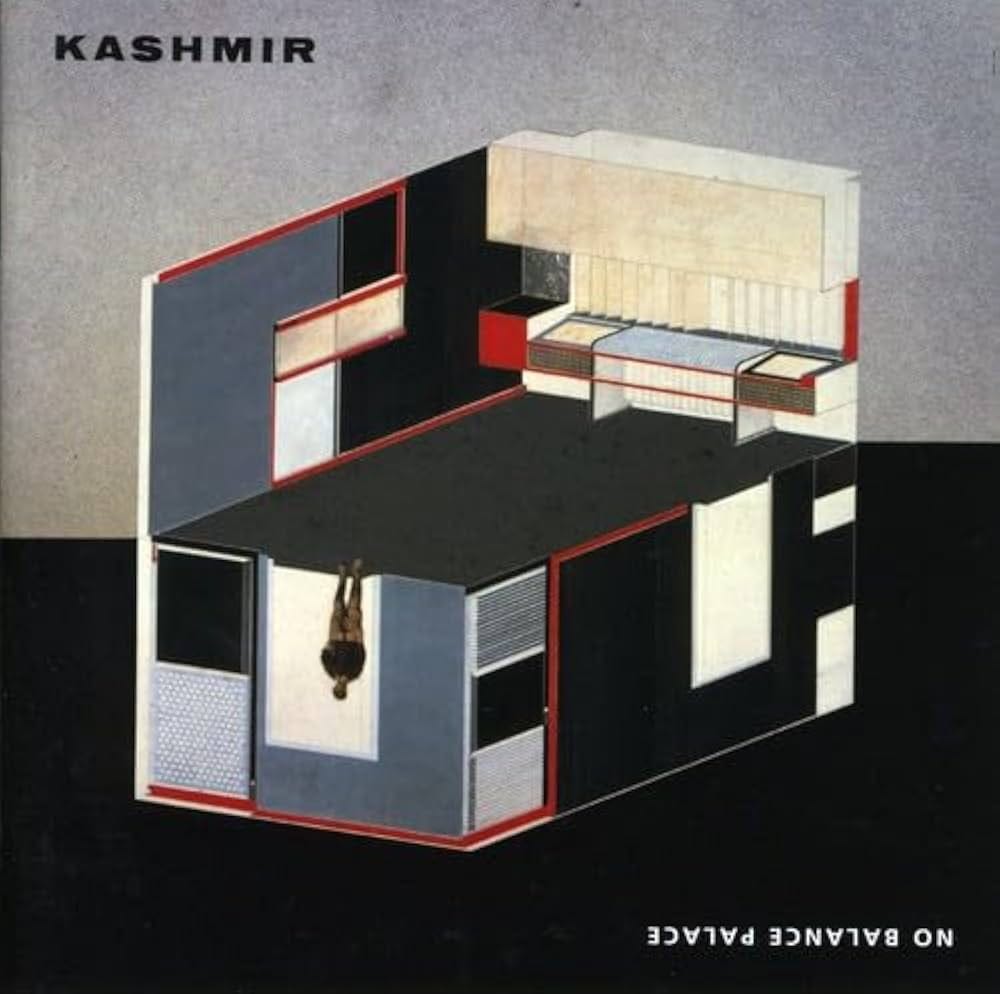
Kashmir’s No Balance Palace topped the charts in Denmark in 2005. It featured David Bowie singing a verse and Lou Reed delivering spoken-word noir. Tony Visconti produced it. And unless you were living in Benelux, you probably never heard a single note.
This week on Dig Me Out, J and Tim return to Kashmir—11 years after covering their 1994 debut Travelogue—to find a band that barely resembles itself. The transformation is stunning, strange, and a reminder that some records only get made when the right people walk through the studio door at the right time.
The 11-Year Gap
Kashmir formed in Denmark in 1991. Their debut was workmanlike, searching for identity. By 2005, they’d evolved into something darker and more atmospheric—melodic without being hooky, propulsive without being showy. No Balance Palace is their fifth album, and it sounds like a band that finally knows who it is.
The contrast is jarring. Travelog felt like a band still figuring out their sound. This record—anchored by clean, delayed guitars, driving bass, and breathy vocals—lands somewhere between The Cult’s melodic edge, Failure’s spacey heaviness, and the melancholy undertow of Swedish bands like Kent.
It’s not pop. But in Denmark, it went to number one.
Tony Visconti, David Bowie, and Lou Reed Walk Into a Studio
No Balance Palace was recorded at Sun Studios in Copenhagen and Looking Glass Studios in New York. The producer was Tony Visconti—the man behind T. Rex, Thin Lizzy, and a mountain of David Bowie records.
Which might explain how Bowie ended up singing the second verse of “The Cynic.”
His voice is subtle, blending into the song’s eerie, proggy atmosphere. It’s not a spotlight moment—it’s a texture. And that’s the thing about this record: it doesn’t showboat. Even with Bowie on it.
Then there’s Lou Reed, who shows up on track 10 with a two-minute spoken-word piece about passing a mysterious black building and wondering if the devil lives there. It’s evocative, strange, and—if we’re being honest—skippable on repeat listens. Cool story for the band. Less essential for the listener 20 years later.
A Tale of Two Halves
The first six tracks on No Balance Palace work. They build tension, atmosphere, and momentum. Songs like “California,” “Jewel Drop,” and “The Cynic” use clean guitar tones, delay, and heavy bass to create a driving, nocturnal sound. The vocal is breathy, sometimes bordering on Thom Yorke territory, but it fits the mood.
By track seven, things start to drift.
The second half of the record feels looser, more experimental, less focused. Songs like “She’s Made of Chalk” lean too hard into Kid A-era Radiohead without the payoff. The melodies thin out. The vibe turns from propulsive to meandering. It’s the sound of a band trying things out in the studio—interesting, but not as compelling.
Take the first six songs, maybe add “Snowman,” and you’ve got a tight, intriguing record. The rest feels like an experiment that didn’t quite land.
Why This Record Never Crossed the Atlantic
No Balance Palace was released in Europe, Japan, Russia, Argentina, Australia, and the mysterious region known as Benelux (Belgium, Netherlands, Luxembourg—not a spy novel country, despite how it sounds). It was not released in the United States.
In 2005, American rock radio was leaning into Franz Ferdinand, Arctic Monkeys, and Block Party—high-energy, angular stuff. Death Cab for Cutie was having a moment with Plans, but even that was more melodic and accessible than Kashmir’s moody, atmospheric approach.
This record is darker, slower, less immediate. It’s the kind of album that rewards patience—and in 2005, U.S. audiences weren’t being asked to be patient with Danish rock bands.
What It Sounds Like Now
No Balance Palace holds up best when you meet it on its own terms. It’s not a record for every mood. But if you want something melancholic, propulsive, and cinematic—something that feels like driving through open space at night—the first half delivers.
It’s also a fascinating case study in evolution. Kashmir went from a decent-single debut to chart-topping records in their home country. They refined their sound, brought in a legendary producer, and got two icons to guest on the album. And then they just… kept going. They released three more albums after this, went on hiatus in 2017, got back together, planned a tour, and then COVID hit.
They’re still out there. And their entire catalog is now streaming.
Kashmir’s No Balance Palace didn’t make it to the States, but it made it to number one in Denmark. And for one fleeting moment in 2005, David Bowie walked into a studio and sang a verse on a Danish rock record that most of the world never heard.
That alone makes it worth digging out.
Episode highlights
[00:01:26] Jason Pan’s Pick History: Patron Jason Pan’s selection history since 2018—mostly Australian picks including Mansun, Pollyanna, and Soulwax.
[00:02:17] Kashmir Returns After 11 Years: Second time covering Kashmir—last reviewed their 1994 debut Travelog back in 2016.
[00:05:33] Tony Visconti Produces: Legendary producer (Bowie, T. Rex, Thin Lizzy) at the helm.
[00:06:35] Bowie and Lou Reed Guest: David Bowie sings on “The Cynic,” Lou Reed does spoken word on track 10.
[00:07:16] No Poll This Week: Tim forgot to post preview before vacation—no comments or poll results.
[00:08:39] What Works: Melancholic Atmosphere: Jay highlights clean guitars, driving bass, breathy vocals. Comparisons to The Cult, Failure, Kent.
[00:13:52] What Works: Sonic Diversity: Tim praises shoegaze elements, minimal soundscapes, post-Radiohead influence.
[00:17:37] Dramatic Sonic Transformation: Hosts shocked by how different this sounds from the 1994 debut.
[00:19:51] #1 in Denmark: Mainstream pop success in their home country—three consecutive #1 albums.
[00:23:03] What Doesn’t Work: Second Half Falls Apart: Jay says it gets too loose, experimental, derivative—like a failed attempt at Kid A.
[00:25:51] The Lou Reed Problem: Both hosts question the two-minute spoken-word piece. Cool story, instant skip.
[00:32:57] Never Released in the U.S.: Album came out in Europe, Japan, Australia, but not America.
[00:34:12] Wrong Time for U.S. Market: Too melancholic for 2005—Death Cab, Franz Ferdinand, Arctic Monkeys dominated.
[00:36:47] Final Ratings: Better EP: Both hosts say first six tracks (Jay) or seven including “Snowman” (Tim) make a strong EP.
[00:40:50] Thanks to Jason Pan: Rare opportunity to cover same band with 11-year gap between albums.
This episode happened because a Union member picked it. Patron Jason Pan chose No Balance Palace from a ballot of forgotten 2000s rock albums, members voted, and this became the episode. That’s how the show works now—your participation shapes what gets covered.
Join the Dig Me Out Union to vote on albums, influence the show, get your comments read on air, and access bonus episodes and our private Discord.


