



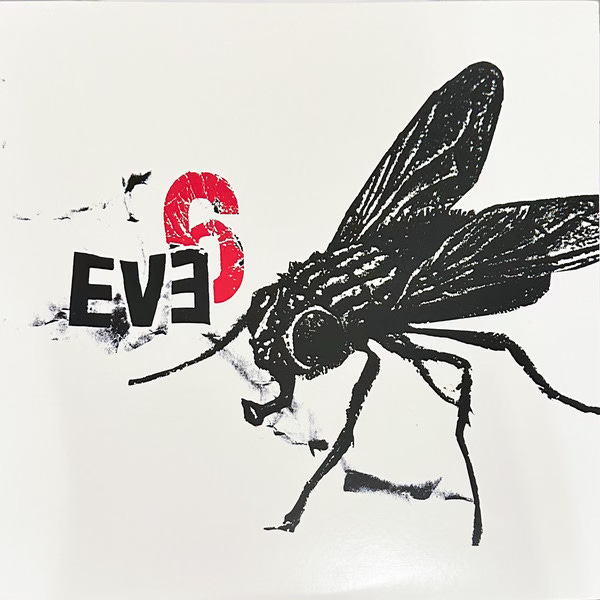
In 1998, while their classmates were planning prom, Max Collins, Jon Siebels, and Tony Fagenson were crafting something that would outlive the decade’s entire alt-rock moment. The self-titled debut from Eve 6 arrived at a weird inflection point—grunge was dead, nu-metal was lurking around the corner, and radio was desperate for guitar-driven rock that didn’t require a flannel shirt or a backward baseball cap. What these Southern California teenagers delivered was smarter, wordier, and more musically ambitious than anyone expected from kids who were literally writing songs during study hall.
The Heartbreak Album No One Saw Coming
Collins was 19 when Eve 6 dropped, but most of the songs were written even earlier—penned in the immediate aftermath of a girlfriend cheating on him. That raw, unprocessed adolescent pain became the album’s emotional engine, but here’s the thing: it never sounds whiny or performative. Instead, Collins channels that neurotic energy into dense, bristling wordplay that wouldn’t sound out of place on an Elvis Costello record.
“Drag this neurotic to hysterics, leave him balked and unfulfilled”—that’s how the album opens with “How Much Longer,” and right away you know this isn’t your standard pop-punk fare. Collins isn’t just stringing together catchy phrases; he’s building lyrical Rube Goldberg machines, packing syllables and internal rhymes into melodies that refuse to sit still. Words like “congruent” and “abstruse” pop up where Blink-182 would’ve stuck with “dude” and “whatever”.
The Song That Changed Everything
You know the one. “Inside Out” became inescapable in spring 1998, hitting number one on Billboard’s Modern Rock chart and lodging itself permanently in the brains of anyone who turned on alternative radio that year. The “heart in a blender” lyric became iconic, but what made the song work wasn’t just the gruesome imagery—it was the rhythm, the way Collins spits out lyrics like a caffeinated auctioneer over a one-note chorus that somehow becomes an earworm.
Producer Don Gilmore deserves credit here. When the band (then called Yakoo) first brought “Inside Out” to RCA Records, execs weren’t impressed. Gilmore heard potential and convinced the band to lengthen the verses, add the “I, alone, am the one you don’t know you need” bridge, and beef up the ending. The teenagers initially bristled at the suggestions—classic teenage response—but they came around. Good thing, too. The song stayed on the charts for over a year, helped the album go platinum, and made Eve 6 one of 1998’s unlikely success stories.
More Than Just That One Song
Here’s where Eve 6 separates from the Lits and the one-hit wonders of the era: the album actually rewards deeper listening. “Leech” builds from mellow verses into sprawling, wave-like distorted guitars, anchored by Collins’ trademark alliteration—“I know your comfort lies in lying to try to make your life make sense, but you’re not making sense with your two cents”.
“Jesus Nighlight” takes an entirely different approach, building slowly with a broken rhythm that sounds less like 311 and more like an alternate-universe version of The National—especially when Collins drops into his lower register. “Superhero Girl” adds garage-rock bite while Collins croaks “Fuck that night out with the guys” with an endearing hesitance that reminds you these were still kids figuring out how to swear in public.
The album’s secret weapon might be its use of dynamics and space. Unlike the gain-obsessed crunch of their peers, Eve 6 leans on clean guitar tones and shifting rhythms that give the songs breathing room. There’s a swingy, almost new-wave quality to some of the arrangements—again, not what you’d expect from a band that could easily get lumped in with the pop-punk crowd.
The Influences Nobody Expected
Collins has always been upfront about his musical DNA. While everyone assumed Eve 6 listened to Green Day and Blink-182, he was actually spinning Jawbreaker, Kill Rock Stars compilations, and K Records bands. That disconnect between influences and output makes sense when you realize they were teenagers—they hadn’t figured out how to translate their record collections into their own sound yet. What came out instead was this strange hybrid: radio-friendly hooks delivered with a lyrical density borrowed from ’90s indie and emo.
The band’s drummer, Tony Fagenson, happened to be the son of legendary producer Don Was, which probably didn’t hurt the rhythmic maturity on display. And that maturity shows up everywhere—the way songs shift tempos, the unexpected chord changes, the moments where the verse groove suddenly pivots into a completely different chorus energy.
Twenty-six years later, Eve 6 doesn’t sound trapped in its era the way so many late-‘90s albums do. There’s no dated drum programming, no embarrassing attempts at rap-rock, no over-polished sheen that screams “1998 production budget”. What you get is straightforward, well-executed rock music that’s smarter than it needed to be and catchier than it has any right to be.
The album clocks in at just 38 minutes, which feels almost quaint now. There’s no filler because there wasn’t room for it. Every song earns its place, even the ones that veer into sunnier, more straightforward pop-rock territory toward the end. And while some tracks flirt with that era’s unfortunate ska-influenced reggae vibe—looking at you, “Showerhead”—they never commit hard enough to become embarrassing.
Collins’ voice is young here, still finding its character, but it works in the album’s favor. He’s not trying to sound like Eddie Vedder or Kurt Cobain or anyone else. He’s just serving the songs, prioritizing melody and wordplay over vocal gymnastics. That workmanlike approach keeps the record from feeling dated or overly stylized.
Alt Rock in ‘98
By 1998, alternative rock was fragmenting in real time. Grunge was over. Nu-metal was ascending. Pop-punk was about to explode. Radio was a mess of swing revival, post-grunge ballads, and attempts to figure out what came next. Into this chaos, Eve 6 dropped an album that was undeniably rock—guitar-driven, energetic, and accessible without pandering.
The album went platinum on the strength of “Inside Out,” but four more singles followed: “Leech,” “Superhero Girl,” “Open Road Song,” and “Tongue Tied” (which featured a young Katie Holmes in the video, cementing its ’90s credentials). The band spent over a year in the Billboard 200, an almost unthinkable run for a debut in that era.
Could the album be better? Sure. Max Collins himself has admitted that by the time they recorded Horrorscope two years later, they’d figured out how to refine everything they were attempting here. The self-titled debut has the rough edges you’d expect from high schoolers making their first record. But those rough edges are part of what makes it compelling—this is the sound of teenagers trying to process emotions they don’t have the equipment to handle, and somehow turning that confusion into platinum-selling pop-rock.
Eve 6 works because it’s deceptively nerdy, more interested in wordplay and musical sophistication than fitting neatly into any one genre. It’s the sound of a band that listened to the right records but was too young to know they weren’t supposed to make radio hits out of that vocabulary. And decades later, when everyone from that era is getting reassessed, Eve 6’s debut still sounds like kids who figured out how to be smarter than Lit and catchier than most of their indie influences—all before they could legally buy beer.
Not bad for a study hall project.
Songs in this Episode
Intro - Inside Out
19:51 - Jesus Nitelite
23:44 - Leech
39:26 - Showerhead
Outro - Small Town Trap
#530: Friction, Baby by Better Than Ezra
Of the all bands that scored alternative hits in the 90s rock, few managed to recapture that sales magic on ensuing albums. But that doesn't mean their follow-ups records were lesser, and in some cases they made superior albums that got overlooked by fickle record buyers. Case in point:


