



Ever notice how some records feel like an exhalation? Like someone finally got permission to breathe their own air after years of holding it in?
That’s Star.
Tanya Donelly had been writing songs in the margins for years—tucked into Throwing Muses alongside stepsister Kristin Hersh’s intense, fractured art-rock, then squeezed into The Breeders’ early days with Kim Deal. She contributed some of the catchiest moments to both bands: “Not Too Soon” on The Real Ramona, the Safari EP tracks that helped define The Breeders’ early sound. But she was always the supporting character in someone else’s narrative, the pop sensibility softening the edges of more confrontational visions.
By 1991, Donelly had a backlog. Songs that didn’t quite fit the Muses’ angular aesthetic. Melodies too dreamy for Deal’s punk-pop blueprint. So she did what any songwriter with something to say does—she started her own band. Belly formed with Rhode Island high school friends: brothers Tom and Chris Gorman on guitar and drums, bassist Fred Abong tagging along from the Muses days. They released two EPs in 1992—Slow Dust and Gepetto—testing the waters with producer Gil Norton, who’d already shaped the sound of the Pixies and Throwing Muses.
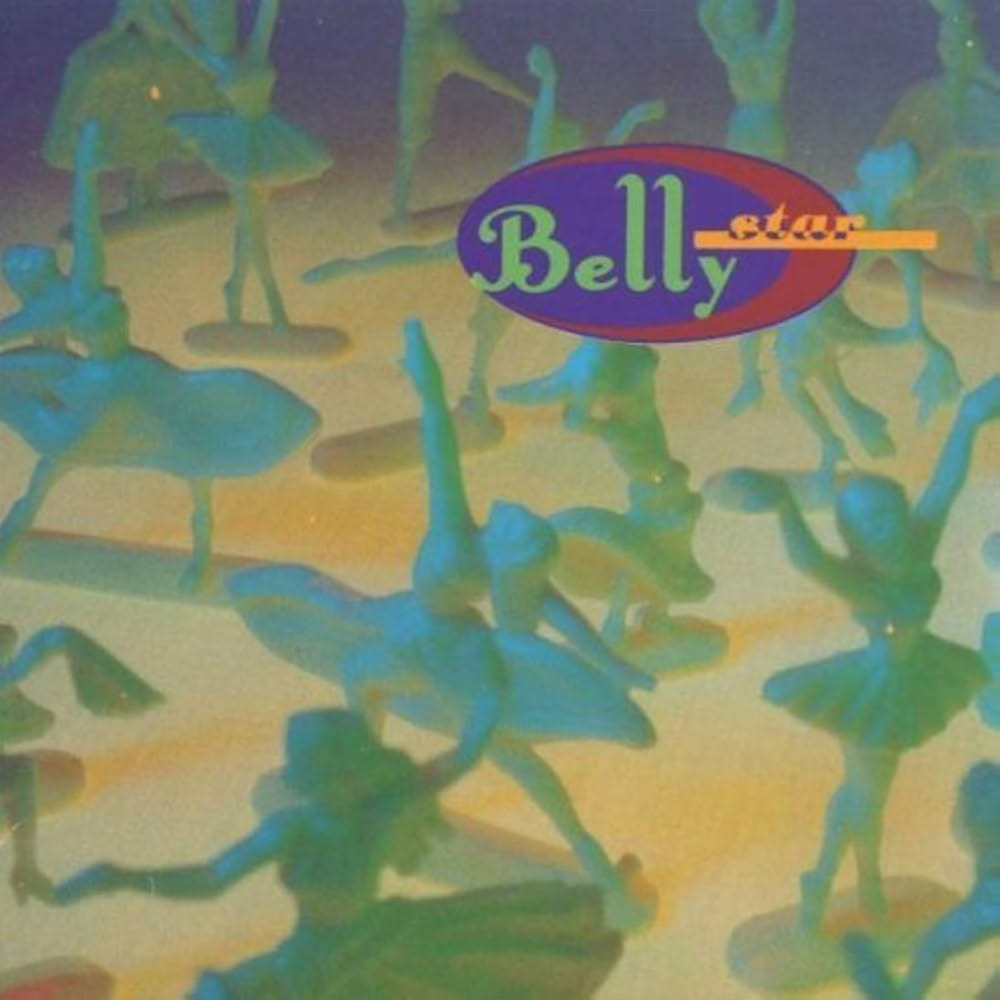
When Star arrived in January 1993, it felt like it had been waiting to happen.
The Sound of Someone Finally in Charge
What’s striking about Star isn’t just that it’s good—though it is, certified gold good—it’s that it sounds decided. Donelly knew what she wanted: fuzzy guitars that could shimmer and snarl in the same breath, vocals that moved from breathy whisper to full-throated belt without apology, rhythms that borrowed equally from ’60s girl groups and ’90s alternative rock.
The album opens with “Someone to Die For,” a delicate fingerpicked thing that barely cracks 90 seconds. It’s almost folksy, vulnerable in a way that makes you lean in. Then “Angel” kicks in with feedback and distortion, a fever dream where nightmares get so bad you throw your pillow away but somehow find peace in the noise. That’s the thesis statement right there: beauty and dissonance aren’t opposites, they’re co-conspirators.
“Feed the Tree” became the hit—topped the Modern Rock chart, cracked the Hot 100, earned MTV Video Music Award nominations. And it deserved every bit of that attention. Tom Gorman’s serpentine guitar riff coils around the verses while the rhythm section keeps things wonderfully off-kilter. Donelly’s vocal sits in this strange sweet spot between folk storytelling and alternative rock urgency. The lyrics are pure Donelly weirdness: an old man asking for respect, a little squirrel slamming her bike down the stairs, a promise that “I’ll only hurt you in my dreams”. It’s a metaphor about commitment and death—“feed the tree” means “push up the daisies,” a phrase apparently only Donelly’s mom used—but it lodges in your brain like a nursery rhyme you can’t shake.
The thing is, “Feed the Tree” sets a bar the rest of the album doesn’t consistently clear. Not because the other songs are bad—“Low Red Moon” is arguably better, all moody organ and loud/quiet dynamics that out-R.E.M.s R.E.M. at their own game. “Gepetto” has that jangly, sunlit charm. “Dusted” kicks with real energy. But there’s a winding, dreamy quality to much of Star that requires patience. At 15 tracks and 50 minutes, the album meanders through shoegaze textures, folk ballads, and quirky post-punk without always holding your attention.
This was the ‘90s alt-rock dream in action: musicians with underground credibility getting major label support (Sire/Reprise in the US, 4AD everywhere else), landing in MTV’s Buzz Bin, selling half a million copies. But it was also the ‘90s alt-rock reality: one massive single, a few solid deep cuts, and a record that’s more interesting than it is consistent.
The Voice That Changes Everything
Donelly’s voice is the album’s secret weapon. There’s personality in every line—breathiness that never feels thin, a vibrato that shows up just when you need it, harmonies that create atmosphere instead of just doubling the melody. She can sound intimate and folky on “Stay,” then belt over a full rock band on “Dusted” without ever sounding strained. That range—emotional and technical—gives Star a cohesion even when the songwriting wanders.
And Donelly was pulling from deep wells. This was a New England kid processing childhood through music, unwrapping boxes of repressed memories one song at a time. The album’s imagery—big red trees, low red moons, angels and devils—feels rooted in a specific place and a specific psyche. There’s a ‘60s pop sensibility threaded through the arrangements, Phil Spector drum patterns mixed with 4AD dream pop haze. It’s the sound of someone who grew up on girl groups and then discovered the Pixies, and couldn’t see why those influences should stay separate.
What Could Have Been (And What Was)
Here’s the tricky part about Star: it’s a debut album by someone who’d already been making records for a decade. Donelly wasn’t figuring out who she was—she knew. She just needed the space to be it. That confidence shows in the production, in the vocal performances, in the willingness to let “Someone to Die For” be 95 seconds and “Untogether” stretch past four minutes.
But that same confidence might explain why the album doesn’t feel urgent. The Breeders’ Last Splash would drop in August 1993, and you can hear Deal chasing something on that record—a sound, a hit, a validation. Star feels more settled, almost contemplative. Which is a weird vibe for a breakout.
The follow-up, King, arrived in 1995 with even bigger hooks and a Rolling Stone cover, but it didn’t connect. Donelly broke up the band the next year, burned out and unsurprised by the lukewarm reception. There was a reunion in the 2010s, a crowdfunded album called Dove in 2018 that proved the chemistry was still there. But Star remains the moment—the one where all the promise felt possible, where a songwriter who’d spent years in the margins finally got to write the whole story.
Did it change alternative rock? No. Did it define 1993? Not really—that year belonged to Nirvana’s In Utero, The Smashing Pumpkins’ Siamese Dream, and Deal’s own Last Splash. But Star captured something specific about the early ’90s underground-to-mainstream pipeline: the hope that weird, personal music could find an audience, and the reality that even when it did, sustaining it was another story entirely.
Twenty-plus years later, Star still sounds like what it is—a songwriter finally getting to be the lead, with all the beauty and unevenness that comes with stepping into the light.
Songs in this Episode
Intro - Feed The Tree
15:36 - White Belly
20:06 - Gepetto
21:58 - Angel
Outro - Dusted
#342: Lovesongs for Underdogs by Tanya Donelly
With her first solo outing, Tanya Donelly attempts to balance her indie rock past with a radio friendly approach. 1997′s Lovesongs for Underdogs, our latest album selected by our Patreon voters, came with the burden of Tanya having been a part of numerous successfully and respected indie rock group, including
#034: Become What You Are By The Juliana Hatfield Three
Artist: The Juliana Hatfield Three Album: Become What You Are Release Year: 1993 To comment: http://www.digmeoutpodcast.com/ Twitter @digmeoutpodcast https://www.facebook.com/DigMeOutPodcast


